
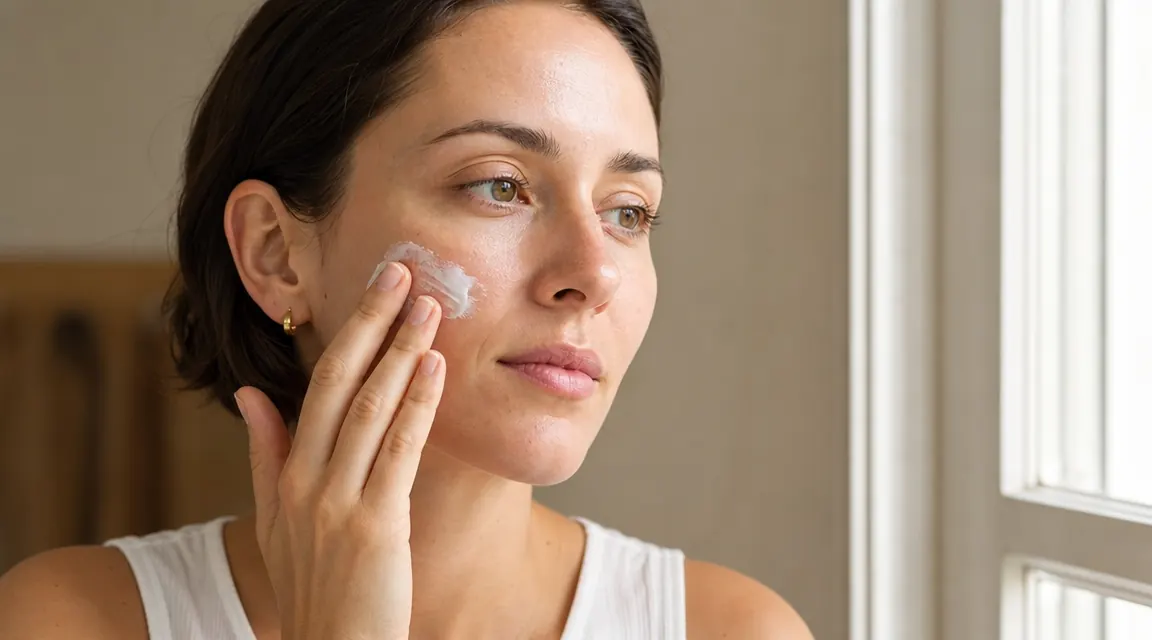
I spent years reaching for whatever chemical SPF was cheapest at the pharmacy. They worked. I did not peel. I figured that was enough. Then I started getting persistent redness around my nose and chin that my dermatologist traced back, at least in part, to oxybenzone sensitivity. I switched to a mineral sunscreen, specifically the EltaMD UV AOX Elements Tinted SPF 50, and the redness calmed down within about three weeks. That got my attention.
Mineral sunscreens are not perfect for everyone, and I will say so below. But for a meaningful subset of skin types, they offer real advantages that chemical filters simply cannot match. Here are ten of them, all grounded in how the formulas actually behave on skin.
If your skin reacts to chemical SPF, this is the mineral formula dermatologists reach for first.
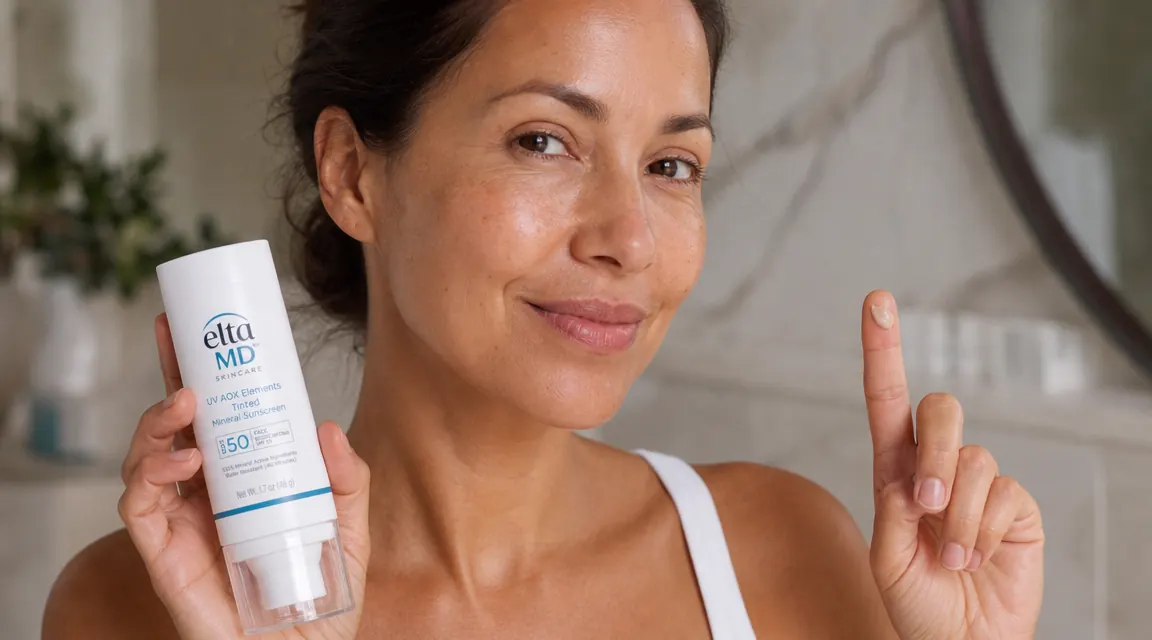
The EltaMD UV AOX Elements Tinted SPF 50 uses 100% mineral filters, adds a vitamin C and E antioxidant blend, and comes in a buildable tint that works on most light-to-medium skin tones. It is the one I use every morning.
Amazon Check Today's Price on Amazon →Mineral sunscreens work the moment you apply them
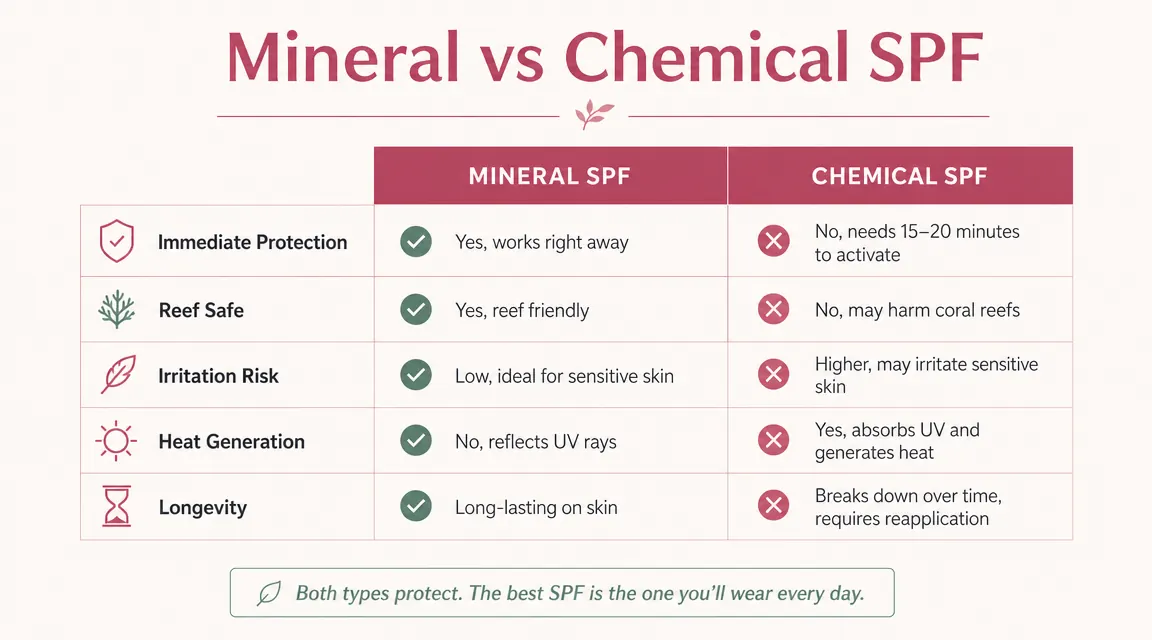
Chemical filters need roughly 15 to 20 minutes to absorb into the skin and begin absorbing UV rays. Mineral filters, zinc oxide and titanium dioxide, sit on top of the skin and reflect UV immediately. If you are the type to apply sunscreen and walk straight out the door, mineral SPF gives you real coverage from the first second, not 20 minutes later.
They do not absorb into the bloodstream
The FDA published a study in 2019 showing that several chemical UV filters, including oxybenzone, avobenzone, and octinoxate, are absorbed systemically after a single application. The clinical significance is still being studied, but for people who apply sunscreen to a large body surface area every day, many prefer the peace of mind that mineral filters stay on top of the skin and are not absorbed. It is a reasonable preference, not paranoia.
They tend to be gentler on sensitive and reactive skin
Chemical filters work by triggering a chemical reaction that converts UV energy into heat. That heat generation can aggravate rosacea, reactive skin, and post-procedure skin (after a peel or laser treatment). Mineral filters do not generate heat. They reflect UV before it reaches the skin at all. For anyone whose skin already runs warm, flushed, or reactive, that difference shows up quickly.
They are the recommended option for post-procedure skin
If you have had a chemical peel, microneedling, a laser treatment, or a facial, your aesthetician almost certainly told you to use a mineral sunscreen during recovery. That is standard practice. The reason is the heat issue above: inflamed or healing skin does not respond well to sunscreens that generate warmth as part of their mechanism. Mineral SPF is the go-to for at least the first week or two after any procedure.
Zinc oxide is the broadest-spectrum UV filter available without a prescription
Zinc oxide blocks both UVA and UVB rays across a wide wavelength range, wider than most single chemical filters. Some chemical formulas blend multiple filters to achieve broad-spectrum coverage, but that also increases the number of potential irritants in one product. A zinc oxide formula covers the full spectrum on its own. The EltaMD UV AOX uses zinc oxide as its primary active, paired with titanium dioxide, for that complete coverage.
Mineral filters reflect UV before it reaches the skin. Chemical filters convert it to heat inside the skin. For reactive or rosacea-prone skin, that is not a small distinction.
They do not degrade in sunlight
Some chemical filters, particularly avobenzone, break down with UV exposure and lose efficacy over a couple of hours even without sweating or swimming. Stabilized formulas exist, but not every drugstore SPF uses them. Mineral filters do not degrade under UV exposure. They stay effective for as long as they remain on your skin, which makes them a more predictable choice for long outdoor days.
Tinted mineral formulas can replace foundation in a minimal routine
A well-formulated tinted mineral sunscreen adds just enough coverage to even out skin tone without the weight of a separate primer and foundation. The EltaMD UV AOX Elements tint blends into most light-to-medium skin tones and leaves a semi-matte finish that looks like skin, not makeup. For people who want SPF and a little evening without a full face of product, tinted mineral SPF removes a step rather than adding one.

They are reef-safe under Hawaii's sunscreen regulations
Hawaii banned oxybenzone and octinoxate in 2021 because of documented damage to coral reefs. Several other destinations, including Palau, the U.S. Virgin Islands, and parts of Mexico, have similar restrictions. Zinc oxide and titanium dioxide are not on any ban list. If you travel to reef-protected areas or simply prefer not to contribute to coral bleaching, mineral SPF is the straightforward choice.
They work safely during pregnancy, when many dermatologists advise against oxybenzone
Oxybenzone's systemic absorption, combined with its potential for hormonal activity at very high doses in lab studies, has led many OB-GYNs and dermatologists to recommend mineral-only sunscreens during pregnancy and while breastfeeding. The EWG's sunscreen guide has long rated zinc oxide and titanium dioxide as its top-rated filters for safety. If you are pregnant or nursing and want to keep your SPF routine without any added uncertainty, mineral is the standard recommendation.
Modern mineral formulas no longer leave a white cast, if you choose the right one
The main complaint against mineral SPF for the past two decades was the white cast. Early zinc oxide formulas were thick, pasty, and noticeably white on any medium or deeper skin tone. The technology has changed. Micronized zinc oxide, tinted formulas, and improved emulsification mean a formula like EltaMD UV AOX blends without residue on a wide range of skin tones. The white cast problem is largely solved in the premium tier. Budget formulas still struggle with it, so the product you choose matters.
What I Would Skip
Mineral sunscreens are not the right call for everyone. If you have a very deep skin tone and are using an untinted formula, white cast is still a real concern even in better mineral formulas. Chemical SPF is also typically lighter in texture and more accessible at lower price points, which matters if budget is the main constraint. For body application over large areas, I still reach for a chemical formula because mineral coverage at scale is expensive and tends to feel heavier. The mineral argument is strongest for daily facial SPF on sensitive or reactive skin, which is exactly where EltaMD UV AOX is designed to live.
The mineral argument is strongest for daily facial SPF on sensitive or reactive skin. For everything else, the best sunscreen is the one you will actually use every day.
Ready to try a mineral formula that actually sits well under makeup?
The EltaMD UV AOX Elements Tinted SPF 50 is the formula I have used every morning for four months. It has 14,916 Amazon ratings, a 4.6-star average, and a short ingredient list. If you want to see the full breakdown of how it performs day to day, the detailed review covers texture, finish, and four weeks of wear notes.
Amazon Check Today's Price on Amazon →