
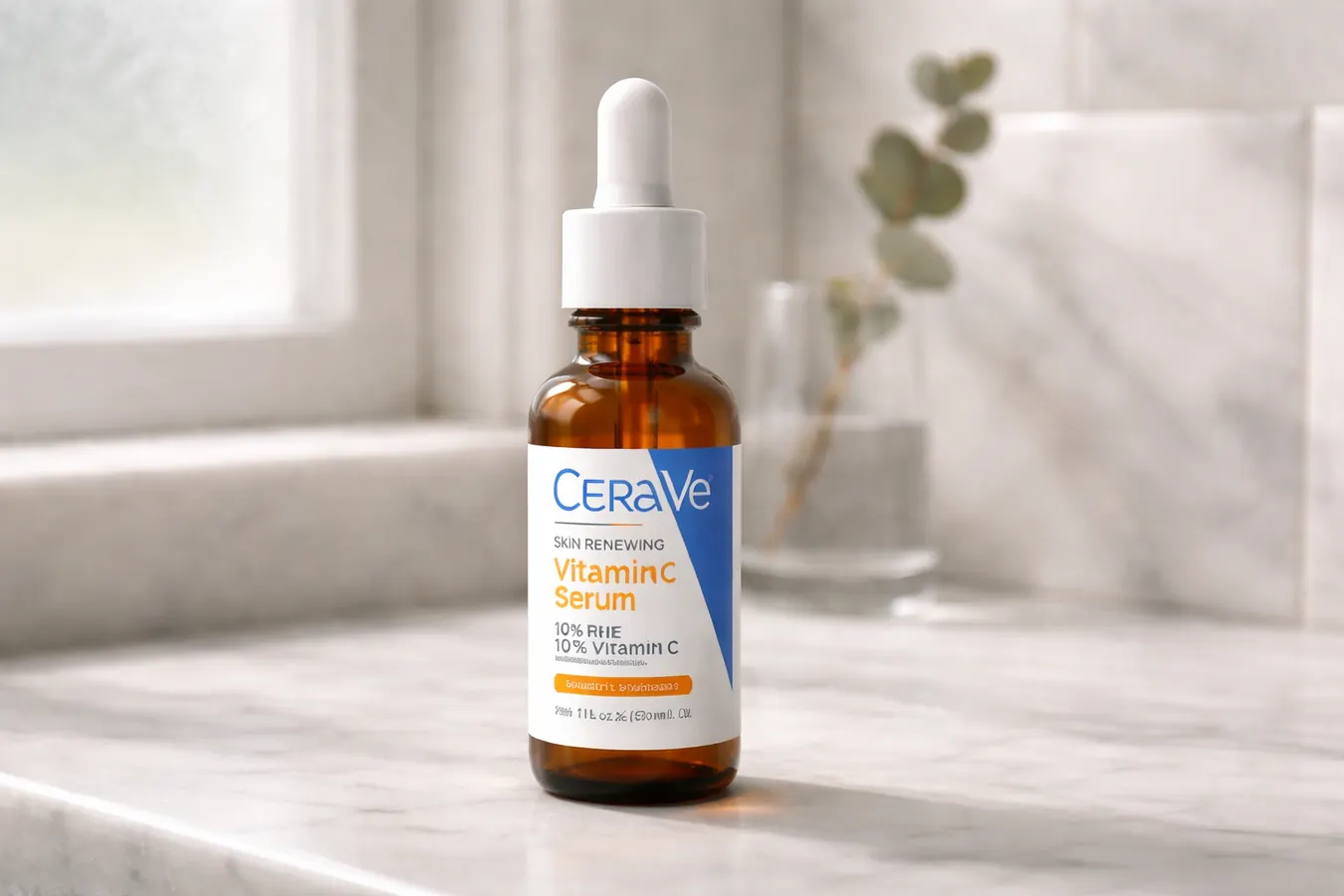
I want to be upfront about something: the question I get asked most about this serum is not whether vitamin C brightens skin. Everyone already knows it does. The question is whether the ceramide-and-hyaluronic-acid combination in CeraVe's formula actually justifies paying more than you would for a plain vitamin C serum from a brand like The Inkey List or Good Molecules. That is the question I want to answer here.
I spent time with the CeraVe Vitamin C Serum on my combination skin, paying close attention to the things most reviewers breeze past: how the ceramide complex behaves under a moisturizer, what the formulation means for sensitive skin types, whether the packaging actually protects the 10% pure vitamin C from degrading, and where cheaper alternatives genuinely hold up just as well. If you came here for a brightening results diary, my other CeraVe vitamin C review covers that in detail. This piece is about the formula mechanics and who this product is actually built for.
The Quick Verdict
A well-constructed serum that earns its place for dry and sensitive skin types, but the ceramide addition adds less value than the marketing implies if your skin barrier is already healthy.
Amazon Check Today's Price →Dry or sensitive skin and vitamin C keeps irritating you? This formula was built for that problem.
CeraVe's Vitamin C Serum pairs 10% ascorbic acid with three ceramides and hyaluronic acid, making it one of the few vitamin C serums designed to support the skin barrier at the same time it brightens. Worth checking current pricing on Amazon.
Amazon Check Today's Price on Amazon →What the Ceramides Are Actually Doing Here
CeraVe includes Ceramide NP, Ceramide AP, and Ceramide EOP in most of their leave-on products. These are lipids naturally found in the skin's outer layer, and they help hold skin cells together and slow water loss. The argument for including them in a vitamin C serum is that vitamin C at effective concentrations (around 10% and above) can be mildly acidic and, for some skin types, temporarily disrupt the barrier. Adding ceramides to the formula is meant to counteract that.
Here is the honest part: ceramides in a serum do not penetrate the same way as ceramides in a cream or rich moisturizer. The delivery vehicle matters a great deal. In a water-based serum, ceramides are present, but in comparatively small amounts at a low viscosity that limits how much actually integrates into the lipid matrix of the skin. So CeraVe's ceramide serum is not the same as their ceramide moisturizing cream in a thinner bottle. It is a vitamin C serum with a meaningful but modest ceramide presence.
For people with healthy, intact skin barriers, this distinction probably does not change their experience much. For people who are working around a compromised barrier, reactive skin, or chronic dryness, the ceramide addition is genuinely useful. It lowers the odds that the ascorbic acid disrupts what little barrier integrity they have. That is a real benefit for a specific group of people. It is not a benefit worth much to people who do not have that skin type.
The Hyaluronic Acid Component: Helpful or Filler?
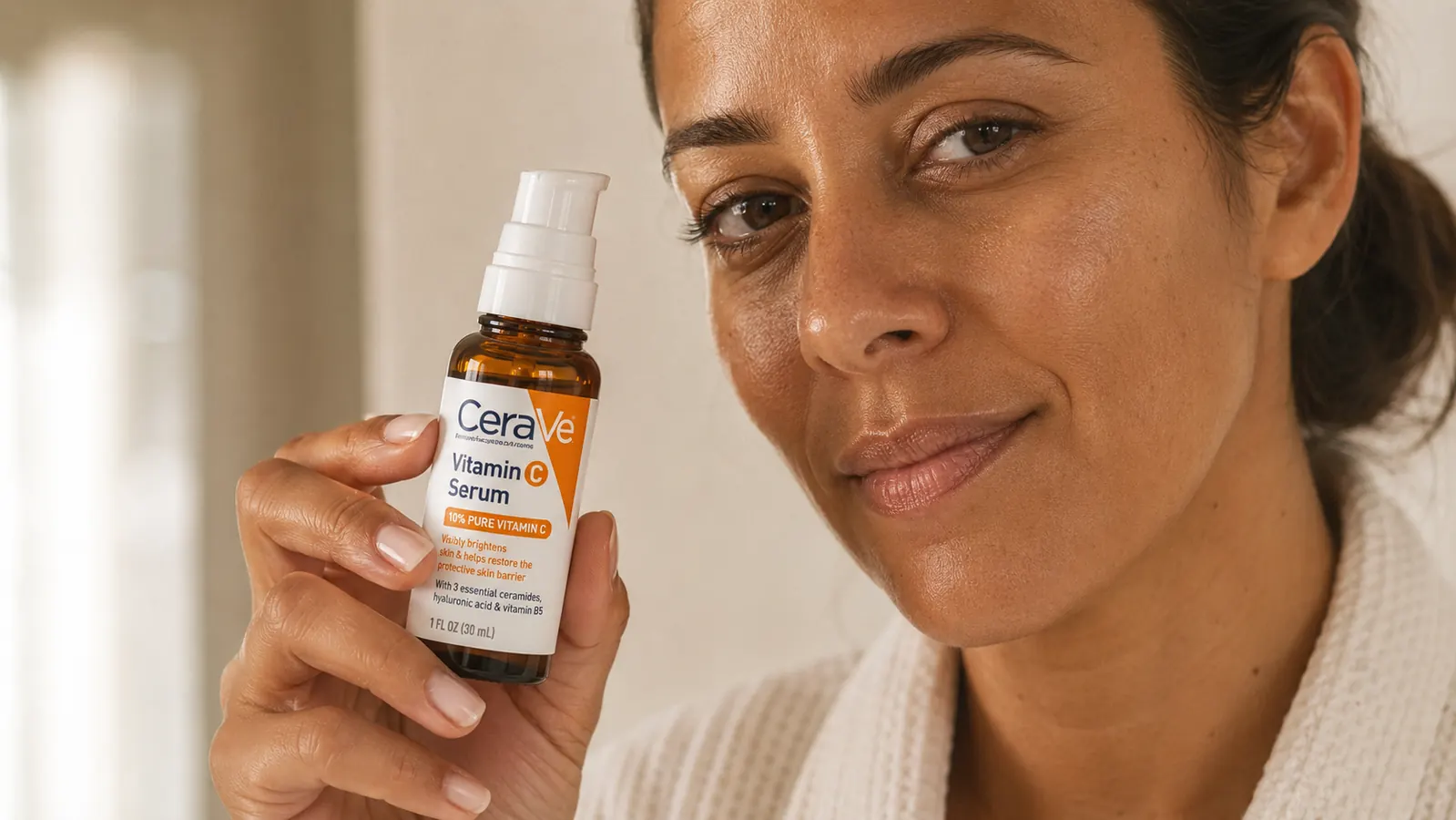
Hyaluronic acid is one of the more misunderstood ingredients in skincare right now. It is not moisturizing in the traditional sense. It is a humectant, which means it draws water toward itself, either from your environment or from the deeper layers of your skin. In a serum context, it can make skin feel softer and more supple immediately after application, but that effect depends heavily on what you put on top of it and how humid your environment is.
In CeraVe's vitamin C serum, the hyaluronic acid concentration is not disclosed, which is standard across most skincare brands. My experience is that the serum does feel noticeably more hydrating than vitamin C serums formulated with only ascorbic acid in water. For people who find straight vitamin C serums uncomfortable, this matters. For people with oily skin who layer multiple hydrating steps, the added hyaluronic acid is redundant. You are paying for an ingredient your routine already provides elsewhere.
The ceramide addition is genuinely useful for compromised or reactive skin. For everyone else, it is a comfort feature, not a performance upgrade.
The Packaging: Good Design, One Gripe
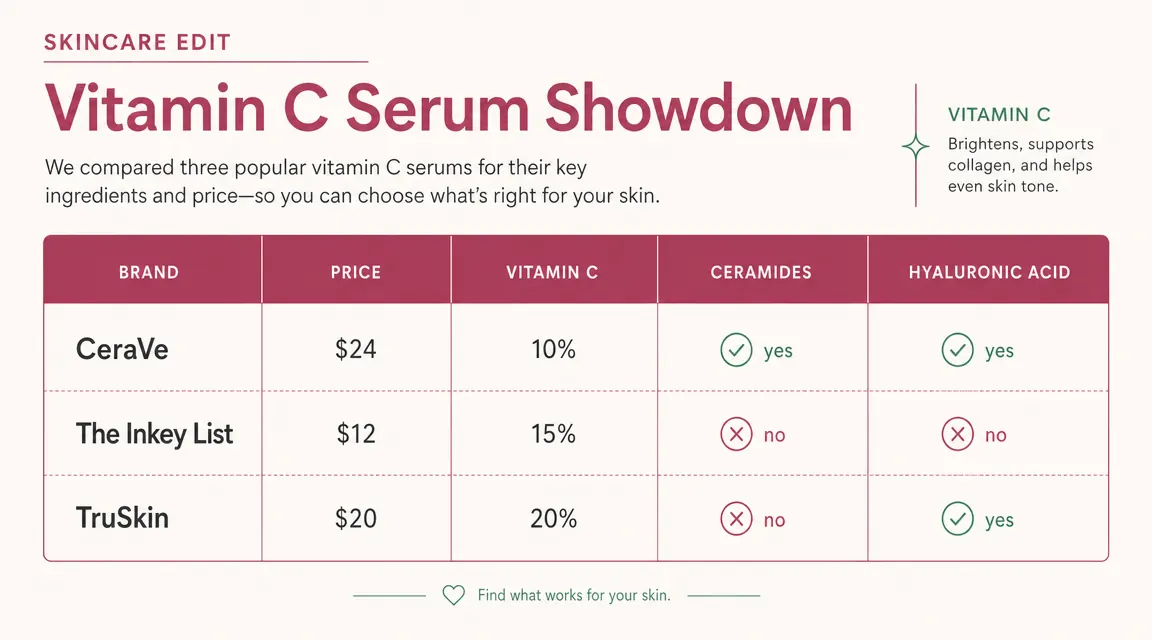
The amber glass bottle with the airless pump is one of this serum's genuine strengths. Pure vitamin C (L-ascorbic acid) oxidizes when exposed to air and light, which turns it from clear to yellow to orange and degrades its effectiveness. The amber glass blocks most UV exposure. The pump minimizes air contact with each use. This is the right packaging for this ingredient, and it is something a lot of cheaper vitamin C serums do not get right.
The gripe: the bottle is 1.05 fl oz (31 mL), which is on the smaller side for a daily-use serum. At current pricing, you are paying a premium per mL compared to competitors. If you use it twice daily, that bottle runs out in roughly five to six weeks. If you use it once daily, you stretch it to around ten weeks. That is fine as long as you factor it into the value calculation.
The other packaging note worth making: the pump occasionally sticks on newer bottles and requires a few presses before product starts flowing. This is a minor issue, but I have seen it come up in reviews enough to mention it. It resolves after a week of regular use. It is not a deal-breaker, but it is annoying on a bottle at this price point.
How the 10% Concentration Compares to the Market
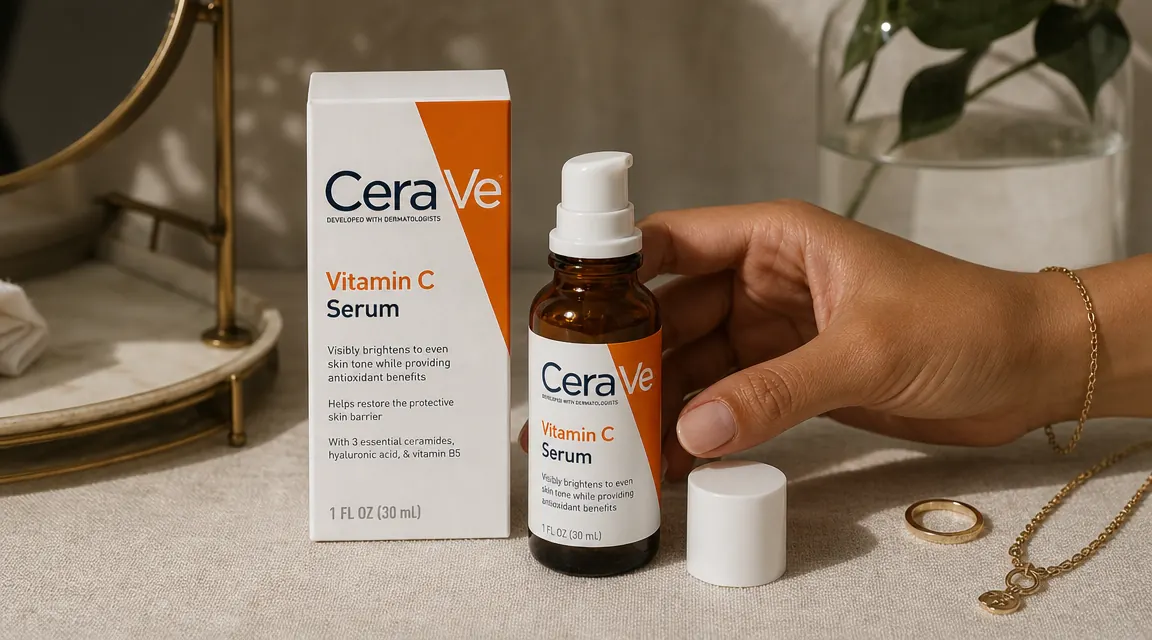
Ten percent L-ascorbic acid is a solid, clinically supported concentration for brightening and antioxidant protection. It is not the highest you can buy. The Inkey List Vitamin C uses 15%. TruSkin Vitamin C Serum uses 20%. Higher concentrations are not always better, though. Above 20%, vitamin C is more likely to cause redness, stinging, or irritation without meaningfully better results for most skin types. The peer-reviewed research on ascorbic acid effectiveness peaks around 20% and does not improve above that threshold.
For someone new to vitamin C, 10% is genuinely the right starting point. It is effective, broadly tolerated, and unlikely to cause the tingling or redness that higher concentrations can produce. For someone who has used vitamin C serums for years and has no tolerance issues, 10% works but is not pushing any boundaries. A 15% or 20% serum from a brand like The Inkey List or Timeless at a lower price might deliver faster results on dark spots without any additional skin barrier compromise.

The Value-Versus-Cheaper-Options Conversation
This is the section most reviewers skip because they do not want to recommend against the product they are writing about. I will be direct: if your skin is oily, acne-prone, or in good barrier health, there are cheaper vitamin C serums that will deliver comparable brightening results. The Inkey List Vitamin C at roughly half the price has a higher concentration, similar packaging quality, and no ceramides you would not use anyway. Good Molecules Vitamin C Booster at an even lower price point is a good starter option for anyone on a tight budget.
CeraVe's version earns its premium over those options specifically for dry, dehydrated, sensitive, or reactive skin types. If your skin barrier is a concern, if other vitamin C serums have stung or irritated your cheeks, or if you are using the serum during a period when your skin is already compromised from retinol introduction or harsh weather, the ceramide-plus-hyaluronic-acid construction is doing real work. The gap closes considerably for everyone else.
One more consideration: CeraVe has a high trust floor. The brand's dermatologist partnership and mass-market accountability mean the formulation is stable, tested, and unlikely to have quality control issues. That matters more than people give it credit for. A budget serum with better numbers on paper can still be inconsistent batch to batch. That is not a concern I have had with CeraVe products.
What I Liked
- Amber glass airless pump preserves vitamin C potency better than most packaging at this price
- Ceramide and hyaluronic acid addition genuinely supports dry and sensitive skin types that typically react to vitamin C
- 10% L-ascorbic acid is effective and well-tolerated, especially for vitamin C newcomers
- Water-light texture layers cleanly under moisturizer and SPF without pilling
- CeraVe's formulation stability and quality control are consistently reliable across batches
Where It Falls Short
- 31 mL bottle is small for a daily-use product and costs more per mL than several strong competitors
- Ceramide benefit is modest in a serum format compared to a ceramide-rich cream or moisturizer
- 10% concentration is a good starting point but is not the most potent option for experienced vitamin C users
- Pump sticks on new bottles before it breaks in, which is frustrating at this price
- Oily and normal skin types pay for ceramide and HA benefits they do not particularly need
Who This Is For
This serum makes the most sense for people with dry, dehydrated, or sensitive skin who want vitamin C benefits without the irritation risk that comes with a plain ascorbic acid formula. It also works well as a first vitamin C serum for someone who has never used one before and wants to start at a moderate, well-tolerated concentration. The combination of ceramides and hyaluronic acid means the formula does some barrier-supporting work alongside the brightening, which is a genuine advantage for skin types that need it. If you are also introducing a retinol and your barrier is temporarily reactive, this is a safer vitamin C choice than a more aggressive formula.
Who Should Skip It
If your skin is oily or combination and your barrier is in good shape, the ceramide and hyaluronic acid additions will not change your experience in any meaningful way. You are better off with a higher-concentration serum at a lower price. If you are already getting vitamin C from a well-formulated moisturizer or if you are strict about keeping your routine minimal, this serum's price-to-benefit ratio does not hold up compared to competitors. Also, if you are looking for the fastest possible results on sun spots or post-blemish marks, 10% is not the highest performing option available at lower cost.
One More Thing Worth Knowing
CeraVe markets this serum with language about vitamin C and ceramides working together to protect the skin barrier. That framing is directionally accurate but slightly overstated. The ceramides here are a support ingredient, not a structural barrier treatment. The vitamin C is the active doing the heavy lifting on brightening and antioxidant protection. The ceramides and HA reduce the odds that the active causes problems. That is a meaningful role, but it is more of a tolerance upgrade than a synergistic power-up.
Knowing that distinction helps you shop more clearly. If you buy this serum expecting ceramide-level barrier repair on top of vitamin C brightening, you will be slightly disappointed. If you buy it expecting a well-stabilized, gentle-formula vitamin C serum that is unlikely to disrupt dry or sensitive skin, you will be satisfied. Those are different things, and the product delivers on the second one consistently.
For context on how this compares to the La Roche-Posay 10% vitamin C serum at a higher price point, my comparison piece goes into that in more detail. And if you want to understand how to integrate vitamin C into a full brightening routine, the related article on fading dark spots with vitamin C covers the layering and timing questions I see most often.
Sensitive or dry skin that reacts to most vitamin C serums? This is the formula worth trying first.
CeraVe Vitamin C Serum is available on Amazon with over 43,000 ratings. Check today's price and availability below.
Amazon Check Today's Price on Amazon →